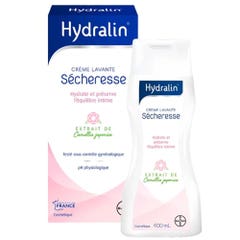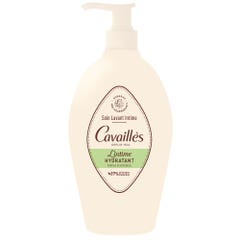




















Ingredients and formulation: what really matters
When it comes to intimate care, simpler is better. Go for short ingredient lists and avoid anything with soap, which can strip your skin’s natural barrier. Look for gentle cleansers made from sugar or coconut – they clean without causing irritation. Ingredients like glycerin or aloe vera help keep things hydrated, while soothing extracts such as calendula or mallow can calm sensitive skin. Some washes also contain prebiotics, which help support your natural intimate flora. And what should you avoid? Harsh sulphates, alcohol, essential oils and artificial colourants – all of which can upset your skin’s balance.

Skin sensitivity and specific needs
Every woman’s skin is different. If you’re sensitive or prone to irritation, go for a fragrance-free, hypoallergenic wash that’s been gynaecologically tested. At certain times – like during your period, pregnancy or menopause – your intimate area might need a bit more care. A richer, more hydrating formula can make all the difference. The main thing? Pay attention to how your body feels, and choose what keeps you comfortable.

Why pH matters in an intimate wash
pH might sound technical, but it’s key to keeping your intimate area balanced and protected. The vulva naturally has a slightly acidic pH – usually between 4.5 and 5.5 – which helps prevent irritation and supports healthy flora. Some products are labelled “pH neutral”, but that can be misleading. A pH of 7 is too alkaline for this area and can upset its natural balance. The best option? A wash with a physiological pH – one that matches your skin. For daily use, a product with a pH around 5 to 5.5 is ideal. It cleans gently without disrupting your natural defences. Always check the label – it’s a small step that makes a real difference. And if you’re dealing with ongoing discomfort, speak to a healthcare professional for tailored advice.