



























How to select the right SPF for your sunscreen?
The Sun Protection Factor (SPF) measures a sunscreen's effectiveness against the sun's ultraviolet B (UVB) rays, which primarily cause sunburn and short-term skin damage. The SPF number indicates how long protected skin can be exposed to the sun without reddening compared to unprotected skin. Choosing the appropriate SPF depends on various factors: your skin type, the sun's intensity (affected by geography and season), and the duration of sun exposure. Dermatologists typically recommend a minimum SPF of 30 for daily protection, and a higher SPF for extended outdoor activities or if you have fair skin prone to burning easily.

What's my skin phototype?
Skin phototypes, categorized from I to VI on the Fitzpatrick scale, depict how your skin responds to sun exposure, ranging from very fair skin that always burns (phototype I) to very dark skin that rarely burns (phototype VI). Understanding your phototype aids in determining the most suitable level of sun protection. Individuals with fair skin (phototypes I to III) require higher SPFs and should take extra precautions, such as wearing protective clothing and regularly applying sunscreen. Those with darker skin (phototypes IV to VI) naturally have some protection against UVB rays, yet they should still use a sunscreen with an SPF of at least 15 to prevent long-term damage and reduce the risk of skin cancer.

Cream, lotion, or water: which suncare texture suits you best?
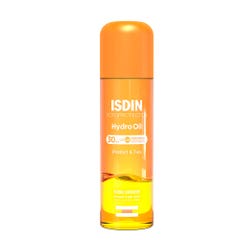
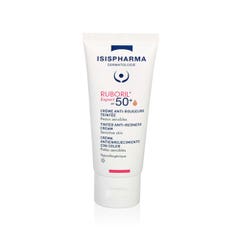
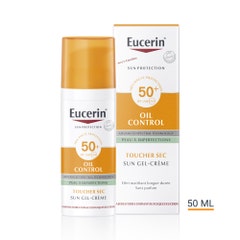
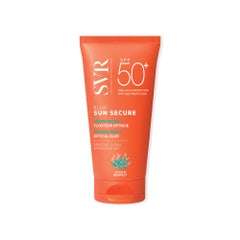
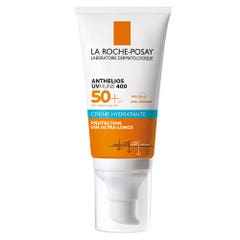
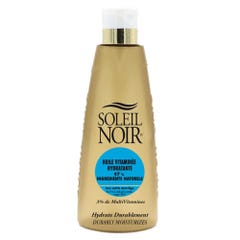
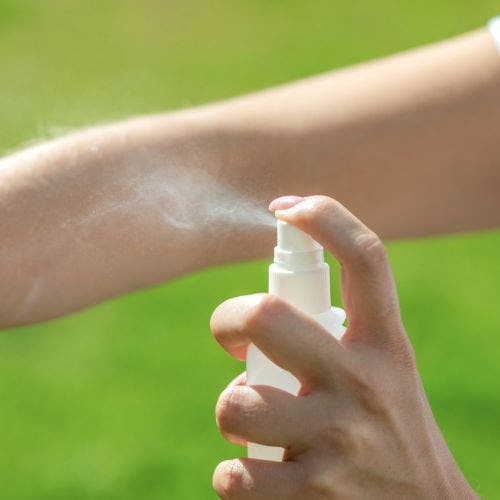
Suncare products offer a range of textures including creams, lotions, gels, sprays, and foams, each with specific benefits tailored to various skin types and needs. Creams are perfect for dry skin and facial use, providing moisturization. Lotions are lighter and more suitable for larger body areas. Gels are ideal for hairy areas or for a refreshing sensation on the skin. Sprays offer convenient, even application, making them great for children or beach use. Your choice of texture depends on your skin type, the area to be protected, and your personal preference for how it feels on your skin.