Buying guide: How to find the right anti-redness cream
How to find the right anti-redness cream?
If your skin often shows signs of redness — especially when it’s sensitive or reactive — you’re not alone. This is a common concern, but one that can be eased with the right skincare. Anti-redness creams are specially developed to calm the skin and help restore a more even-looking complexion.
From light moisturisers to tinted formulas that neutralise redness, there’s no shortage of options. But with so many to choose from, how do you know which one is right for your skin? In this guide, you’ll find expert tips to help you pick an anti-redness cream that suits your needs and respects your skin’s natural balance.
Anti-redness creams are designed for sensitive skin that tends to flush easily — whether it’s occasional patches or more persistent redness. These creams don’t claim to treat medical conditions, but they do aim to calm irritation, hydrate, and help reinforce the skin’s natural barrier. They’re a caring addition to any everyday skincare routine, helping to reduce discomfort and support the skin’s balance.
Made with skin-kind, targeted formulas
These creams stand out for their minimalist, soothing ingredients. Most are free from alcohol and fragrance, and include calming elements like chamomile or thermal spring water. Some are also lightly tinted with green pigments, helping to visibly tone down redness as soon as they’re applied.
A daily step to protect and soothe
Used regularly, an anti-redness cream helps protect your skin from daily triggers — like cold weather, pollution or UV exposure — that can make redness worse. Over time, it can help reduce flare-ups and promote a more even-looking complexion. For best results, use it alongside a gentle cleanser and high SPF sun protection suitable for sensitive skin.
What causes facial redness?
Everyday environmental stressors
Cold weather, wind, sudden temperature changes, pollution and UV rays can all weaken the skin and lead to redness. These external factors disrupt the skin’s protective barrier, leaving it more sensitive and prone to irritation or overheating.
Naturally sensitive or reactive skin
Some people simply have skin that’s more delicate by nature. If your skin is fine or reactive, it may easily respond to things like cosmetic products, hard water or weather changes, often resulting in temporary or persistent redness.
Stress and emotional triggers
Flushing when you’re feeling anxious, warm or emotional is incredibly common. This type of redness is vascular, caused by the temporary dilation of blood vessels in response to heat or emotional shifts like stress or embarrassment.
An unsuitable skincare routine
Using products that are too harsh, or not suited to your skin type — or even scrubbing too often — can weaken the skin and make redness worse. Over-exfoliating or using abrasive techniques can strip the skin’s surface and lead to increased sensitivity.
Underlying skin conditions
Sometimes, redness is caused by underlying dermatological conditions such as rosacea or couperose. These require assessment by a healthcare professional. While an anti-redness cream won’t replace medical treatment, it can be used alongside it to soothe the skin and improve daily comfort.
Why and how should you use an anti-redness cream?
A comforting step for sensitive skin
Anti-redness creams are specifically formulated for skin prone to flushing and irritation. They help to strengthen the skin barrier, deliver intense hydration, and visibly improve overall skin tone. Thanks to their calming ingredients, these creams also work to ease the tightness and warmth that reactive skin often experiences.
Daily use for visible results
To get the most out of your anti-redness cream, consistency is key. Apply it every morning and evening to clean, dry skin, using gentle patting motions — never rub. Some creams are also enriched with green pigments to help instantly neutralise redness and even out the complexion.
Extra protection from external triggers
Cold weather, UV rays, pollution and friction can all worsen redness. That’s why many anti-redness creams include SPF protection, helping to shield the skin from sun exposure while keeping it calm and cared for. Over time, this daily step can help reduce flare-ups and promote a more even, comfortable complexion.
The different types of anti-redness creams
Type of product
Key features
Best for
Soothing anti-redness cream
Soft texture, rich in calming ingredients (camomile, centella, bisabolol)
Instantly relieves heat and tightness
Hydrating anti-redness cream
Formulated with moisturising agents (glycerin, hyaluronic acid)
Helps strengthen the skin barrier in dry or dehydrated skin
Tinted anti-redness cream
Contains green pigments to visibly neutralise redness
Evens out skin tone and conceals mild to moderate redness
Anti-redness cream with SPF
Includes sun protection (SPF 20, 30 or 50)
Shields the skin from UV rays, which often worsen redness
Anti-redness serum
Lightweight texture, packed with soothing ingredients, often fragrance- and preservative-free
Targets localised redness, ideal alongside a cream
Post-redness repair cream
Enriched with ceramides or thermal water to support skin regeneration
Helps restore the skin after a flare-up or exposure to cold
Choosing the right anti-redness cream for your skin type
Finding the ideal anti-redness face cream starts with understanding your skin type. Every skin has its own specific needs, and tailoring your skincare accordingly can make a real difference — helping to improve both comfort and overall appearance, without irritating the skin.
Sensitive and reactive skin
This skin type is most prone to redness and flare-ups. It needs extra care with gentle, fragrance-free and alcohol-free formulas, packed with soothing ingredients like niacinamide, allantoin or thermal spring water. A light cream or fluid tested under dermatological control is ideal to help keep irritation at bay.
Dry to very dry skin
If your skin feels tight or uncomfortable, it’s likely crying out for nourishment. Rich creams with plant butters (like shea or avocado), lipids and ceramides work to rebuild the skin barrier and ease redness caused by dehydration.
Combination to oily skin
Even oilier skin can be prone to redness, especially on the cheeks. The key is to avoid anything too heavy or greasy. Opt for a lightweight gel or fluid that's non-comedogenic, to calm the skin without clogging pores or increasing shine.
Mature skin
Mature skin often faces multiple concerns: redness, dryness, loss of firmness... A multi-benefit anti-redness cream with hydrating ingredients and antioxidants can help brighten and smooth the skin while offering comfort. Look out for formulas that include SPF for extra daily protection.
Blemish-prone skin
Redness can also affect skin that’s prone to spots — especially if it’s been sensitised by harsh or drying treatments. A soothing, balancing cream, free from occlusive ingredients, will help calm irritation without making breakouts worse.
Rosacea, couperose... which cream is right for your skin concern?
Some redness can be linked to specific skin conditions, such as couperose or rosacea. While it’s important to consult a healthcare professional for a proper diagnosis and treatment, certain dermocosmetic products can be used alongside medical care to improve comfort and help calm the appearance of the skin day to day.
Skin prone to couperose
Couperose often appears as persistent redness and visible small blood vessels, particularly on the cheeks and nose. For this type of skin, look for creams with soothing and vasoprotective ingredients like ruscus or witch hazel, which can help reduce the look of redness and strengthen the skin barrier. Choose gentle, alcohol-free textures that respect the skin’s natural sensitivity.
Skin showing signs of rosacea
Rosacea can cause widespread redness, sometimes accompanied by warmth, tingling or localised blemishes. While medical support is essential, some dermocosmetic creams can be added to your routine to help soothe the skin and improve how it looks and feels. Choose formulas with niacinamide, thermal spring water and anti-redness actives, ideally tested under dermatological supervision.
Skin weakened by chronic redness
Some people experience frequent redness without a clear diagnosis. It may be triggered by stress, temperature changes or certain foods. In this case, a minimalist routine can help: a gentle cleanser paired with a protective anti-redness cream rich in soothing ingredients like centella asiatica or calendula can offer daily relief and improve skin comfort over time.
Key ingredients to look for
To visibly reduce redness and soothe sensitive skin, some skincare formulas include well-known active ingredients with calming, hydrating or protective properties. Here’s what to look for in an effective anti-redness face cream.
Niacinamide (vitamin B3)
A widely used ingredient in dermocosmetic skincare, niacinamide is known for its soothing and barrier-repairing properties. It helps to reinforce the skin barrier, reduce sensitivity and visibly ease diffuse redness.
Thermal spring water
Naturally rich in minerals, thermal water has a calming and anti-irritant effect. Whether used in creams or as a mist, it instantly relieves sensations of heat and helps keep reactive skin more comfortable.
Centella asiatica
This plant is valued for its skin-repairing and soothing abilities. Ideal for sensitive or stressed skin, centella asiatica supports the skin’s natural healing process and helps rebuild the barrier function, often compromised in redness-prone skin.
Chamomile and bisabolol
These natural extracts are prized for their gentle calming action. They help to soften the skin and ease feelings of irritation, leaving it more comfortable and at ease.
Calendula
Well known for its softening and soothing benefits, calendula is ideal for weakened or fragile skin, especially when redness is triggered by cold weather or friction.
Ruscus (butcher’s broom)
Used in targeted anti-redness creams, ruscus extract is known to support microcirculation, helping to reduce the appearance of redness, particularly in cases of couperose.
Hyaluronic acid
Naturally present in the skin, hyaluronic acid is a powerful moisturising agent. In skincare, it helps to plump the skin, ease dryness, and improve softness and elasticity.
Plant-based glycerin
A go-to hydrating ingredient, glycerin helps to lock in moisture and protect the skin from environmental stress. It’s especially helpful for maintaining elasticity and comfort in sensitive skin.
Shea butter
Deeply nourishing and protective, shea butter is perfect for dry to very dry skin. It helps to restore the skin’s natural barrier, relieve tightness, and provide lasting comfort.
Green pigments
Found in tinted anti-redness creams, these colour-correcting pigments don’t treat the cause of redness, but they visibly neutralise it, offering an instant evening effect for a more uniform complexion.
Panthenol (provitamin B5)
A hydrating and repairing ingredient widely used in skincare for sensitive skin. Panthenol helps to soothe irritation, reduce tingling sensations and support skin regeneration. Thanks to its calming properties, it's well suited to redness-prone skin, especially when discomfort or environmental stressors are involved.
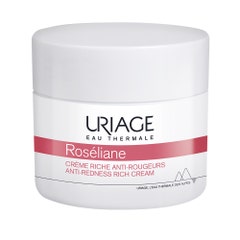
Anti-redness skin to soothe irritation and rosacea and reduce redness.
(3)
€10.30
Your shortcut to self-care!
Sign up for our free newsletter and unlock early access to offers, expert tips and product drops — just for subscribers.
Please confirm your subscription. A confirmation e-mail will be sent to the address indicated.
First Name
Email
The data transmitted via this form is processed by EASYPARAPHARMACIE ("EASYPARA") in its capacity of a data controller, for the purpose of managing your EASYPARA account. Your data may also be used, subject to your express consent, for you to receive personalised commercial information by e-mail relating to the activities and products marketed by EASYPARA. You have the right to file a complaint with the competent supervisory authority, to define requirements concerning the conservation, deletion and communication of your data after your death, as well as a right of access, rectification, deletion, limitation, portability and opposition on legitimate grounds of personal data related to you. To exercise any of these rights, please send your request by e-mail to the following address: donneespersonnelles@easyparapharmacie.com or by post to: EASYPARA - Data Protection Officer - Protection des données personnelles - 47 Boulevard René Cassin - 06200 Nice - FRANCE. For more information on processing of your personal data, please consult our EASYPARA personal data processing policy.